

post filed in:
PNW Wedding Venues by Region: How to Choose Where to Get Married in the Pacific Northwest
The Pacific Northwest is not a single vibe.
It is mossy old-growth forest.
High desert under wide, bright skies.
Rocky coastline with wind and waves.
Cities with water and evergreens woven through them.
When couples tell us they are sure about the PNW but unsure about the exact spot, this is the conversation we have.
We are PNW Intimate Weddings, and we plan elopements and micro weddings across Oregon, Washington and throughout the Pacific Northwest. Here is how each major region feels, what the terrain actually looks like, and what to expect from each season so you can choose a place that fits your relationship.
Portland, Oregon
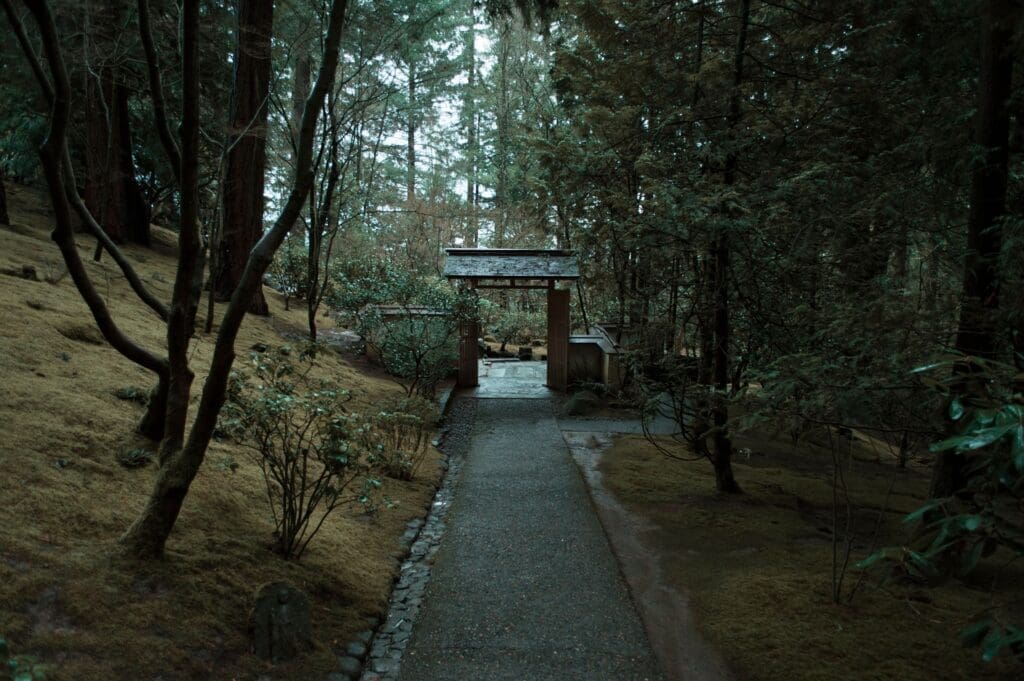
Portland holds city energy and easy access to nature in the same space.
You can have a ceremony in a garden filled with mature trees, then walk to a restaurant for dinner. You can start with a rooftop view and end the day on a forested trail a short drive away. Portland is a good fit if you want variety and minimal time in the car.
What the Area Looks Like
Portland sits in the Willamette Valley. The West Hills rise on one side, and on clear days you can see Cascade peaks in the distance. Inside the city, you get parks with Douglas fir and cedar, botanical gardens, and older brick or timber buildings converted to venues.
Just outside the city, the valley opens into wine country to the southwest and the Columbia River Gorge to the east.
Weather by Season
Spring brings blooms. Rhododendrons, cherry blossoms, and tulips show up in April and May. Temperatures are mild and rain comes and goes, often in short showers.
Summer is dry and warm. June through September usually brings long, clear evenings and reliable outdoor ceremony weather. This is the busiest season for Portland weddings.
Fall feels calmer. Trees turn in October, the air cools off, and the city slows down again. It is a great season if you like color and slightly moodier light.
Winter is cool, often rainy, and cozy. This is a good time for greenhouse spaces, indoor venues with big windows, and candlelight.
Portland works well for couples who want a mix of city and greenery, flexible guest logistics, and lots of vendor options in one place.
Columbia River Gorge
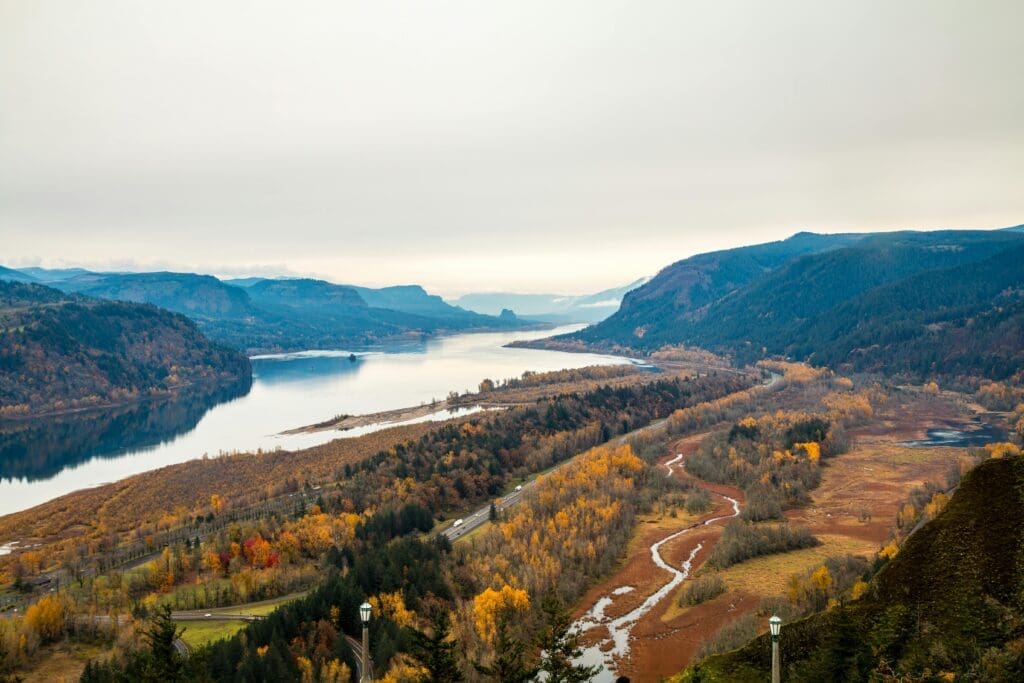
The Gorge feels big in a way that is hard to explain until you are standing inside it.
You leave Portland and, within about half an hour, the road drops into a canyon with tall cliffs, waterfalls, and the river running below. It feels like a threshold.
What the Area Looks Like
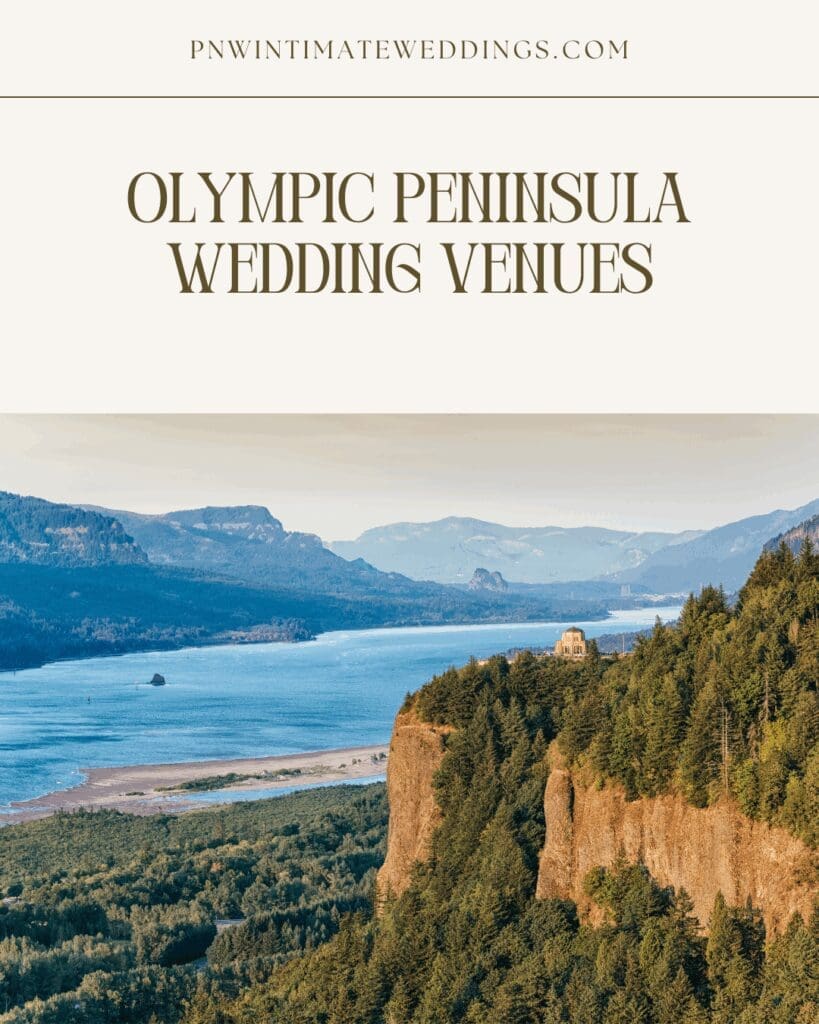
The Columbia River Gorge is a deep river canyon carved by Ice Age floods. On the Oregon side, the historic highway winds past waterfalls and viewpoints. On the Washington side, you get softened hillsides, golden slopes in summer, and wide views over the river.
The forest is a mix of conifer and oak. Near Hood River you start to see vineyards and orchards on the hills above the river. Some might say it can feel like being in Europe.
Weather by Season
Spring is all about water and new growth. Waterfalls run high with snowmelt, hillsides turn bright green, and wildflowers cover the high points around April and May.
Summer is warm and breezy. The Gorge is famous for strong wind, which brings movement to hair, dresses, and florals. Days are long and evenings hold soft light.
Fall brings warm tones. Vineyards change color, crowd levels drop, and the canyon feels quieter while still holding on to some warmth.
Winter is colder and can include fog, rain, and ice at higher points. It is dramatic, quiet, and suited to couples who like a moody, off-season feel.
The Gorge is a good fit if you want large-scale scenery close to Portland, cliffs and river views, and the option to add vineyards or small towns like Hood River into your day.
Bend, Oregon
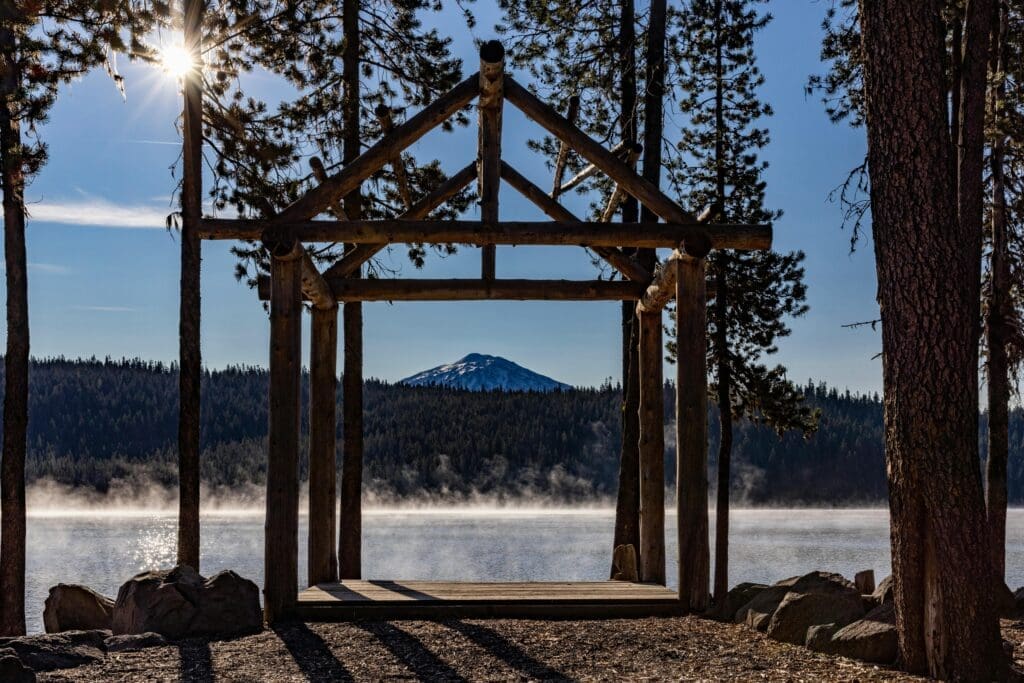
Bend is a completely different side of the PNW.
Think high desert, big sky, and over 290 days of sunshine in a typical year. Instead of moss-covered trees and constant drizzle, you get juniper, sagebrush, Ponderosa pine, and dry air.
What the Area Looks Like
Bend sits on the east side of the Cascades at high elevation. The Deschutes River runs through town, lava rock formations sit just outside it, and snow-capped peaks line the western horizon. Smith Rock State Park and the Cascade Lakes Highway are nearby and add even more variety.
The overall look is warm and earthy. Rust, tan, muted green, and pale blue sky.
Weather by Season
Spring arrives in layers. You can still see snow on the mountains while town starts to warm up. Highs often land in the 50s and 60s, and wildflowers start showing at lower elevations by May.
Summer is warm, dry, and clear. High temperatures are often in the 80s, nights cool down nicely, and rain is rare. Golden hour feels long and generous.
Fall is a favorite for many couples. September and October bring crisp mornings, comfortable afternoons, and color along rivers and aspen stands. Trails are open and less busy than in peak summer.
Winter brings snow to the nearby mountains and bright, cold days in town. Temperatures often drop below freezing at night, and you can combine a snowy backdrop with a warm indoor space for your reception.
Bend is a strong choice if you like sun, open views, and the feel of a destination wedding with lots of outdoor options.
Olympic Peninsula and Olympic National Forest
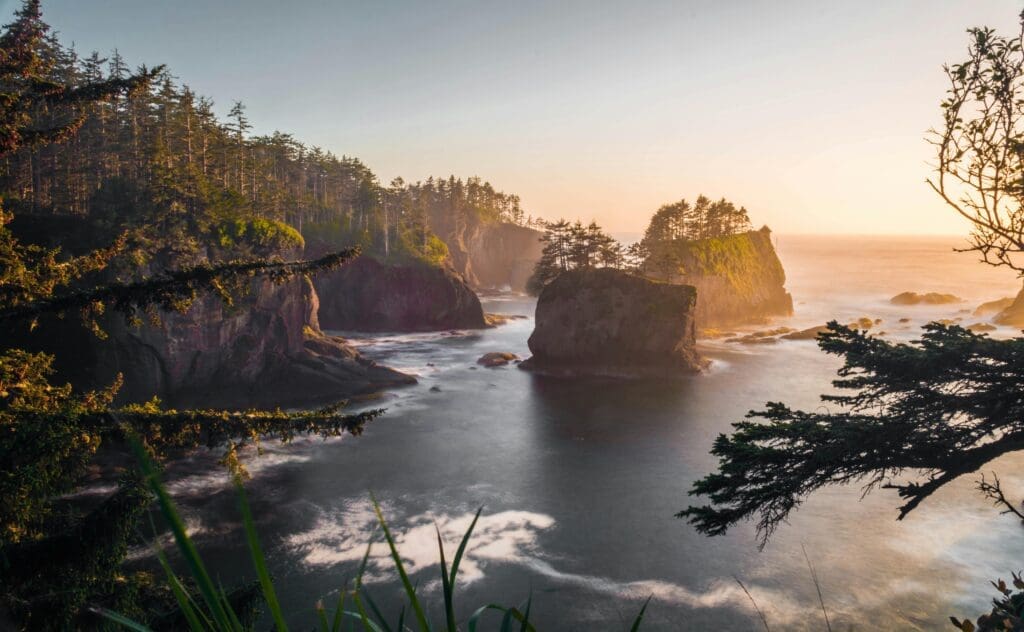
The Olympic Peninsula feels ancient.
The forest is thick with moss and ferns. The coastline is rocky and restless. Above it all, the Olympic Mountains rise in the distance. It is one of the most varied regions in the entire Pacific Northwest.
What the Area Looks Like
Olympic National Park and the surrounding forest include temperate rainforest, alpine zones, and rugged coast. The Hoh Rain Forest is a prime example of temperate rainforest, with massive trees, heavy moss, and filtered green light.
Rialto Beach and nearby coastal areas have sea stacks, driftwood, and fog that moves in quickly. Hurricane Ridge gives you alpine views and snow in winter. Crescent Lake offers calm, deep blue water with forested slopes around it.
Weather by Season
Spring is cool, wet, and extremely green. Rain feeds the forest and rivers, and lower trails usually stay accessible. The coast can be gray and dramatic, which photographs beautifully.
Summer opens the highest points. Hurricane Ridge and other alpine spots become accessible, wildflowers appear at elevation, and the weather is more stable. Coastal areas see clearer days and softer evening light.
Fall brings color to maples in the rainforest and quieter trails after the main travel season ends. Skies often gain texture and the atmosphere turns richer.
Winter feels very raw in a good way. The rainforest stays green while rain falls, the coast often sees storms, and snow covers the higher points. For couples who like a dramatic setting, this can be one of the most rewarding times to be here.
The Olympic region is a match for couples who want real rainforest, wild coastline, and a feeling of being far from everyday life.
Seattle, Washington
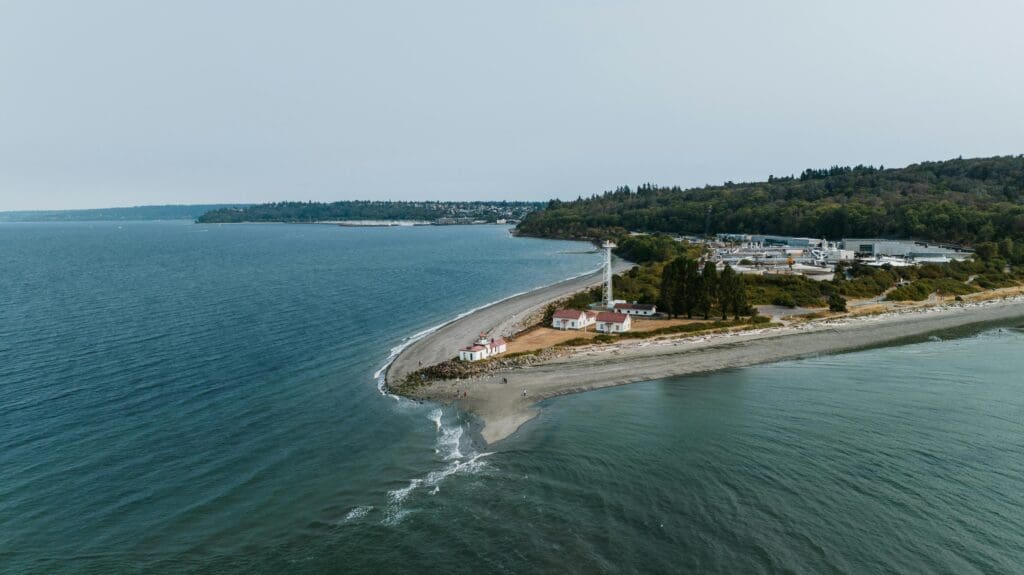
Seattle holds water, hills, and evergreen trees inside a city setting.
You can see ferries crossing the Sound, skyscrapers downtown, neighborhood streets lined with maples, and mountain ranges on clear days. It is a place where a wedding day can move from a garden to a rooftop to a waterfront view without leaving the metro area.
What the Area Looks Like
Seattle sits between Puget Sound and Lake Washington. Forested parks, arboretums, and neighborhood green spaces appear throughout the city. Outside city limits, you quickly reach Snoqualmie Falls, the Cascades, ferry routes to nearby islands, and eventually the Olympic Peninsula.
The general feel is evergreen, water, and changing light, with a clear connection between the city and the natural areas surrounding it.
Weather by Season
Spring is full of blossoms and shifting skies. Seattle sees cherry blooms, camellias, and other spring flowers in March, April, and May. Temperatures are usually mild, and short bursts of rain are common.
Summer brings the clearest skies. July and August are usually dry with comfortable temperatures and long evenings, which makes this the peak wedding season in Seattle.
Fall brings color to city trees and parks. September and early October often hold onto some dry days before more consistent rain returns later in the season.
Winter is cool and wet but very atmospheric. Shorter days and reflective water views pair well with indoor spaces, candles, and city lights.
Seattle is a good fit for couples who want a city setting with immediate access to water and mountains, and who like the idea of guests having plenty to do before and after the wedding.
How to Choose Your PNW Region
Start with how you want the day to feel.
- Quiet and mossy, with rain as part of the story.
- Warm and bright, with sun and high desert views.
- Urban and walkable, with restaurants and rooftops.
- Cliffs and river, coast and fog, or something in between.
Once you know that, the region becomes much easier to choose.
We help couples think through this all the time. If you know you want the Pacific Northwest but are still deciding where inside it feels right, you can reach out here and tell us what you are drawn to. We will help you narrow it down.
You can also see how we support elopements and micro weddings across Oregon and Washington on our services page.


navigate
HOME
services
meet shaun
your stories
contact

